Tracing Interconnected Ledger Protocols That Govern Reward Synchronization Between Digital Wallets and Multi-Jurisdictional Table Game Networks
Written by Leon Klein · Nov 22, 2026
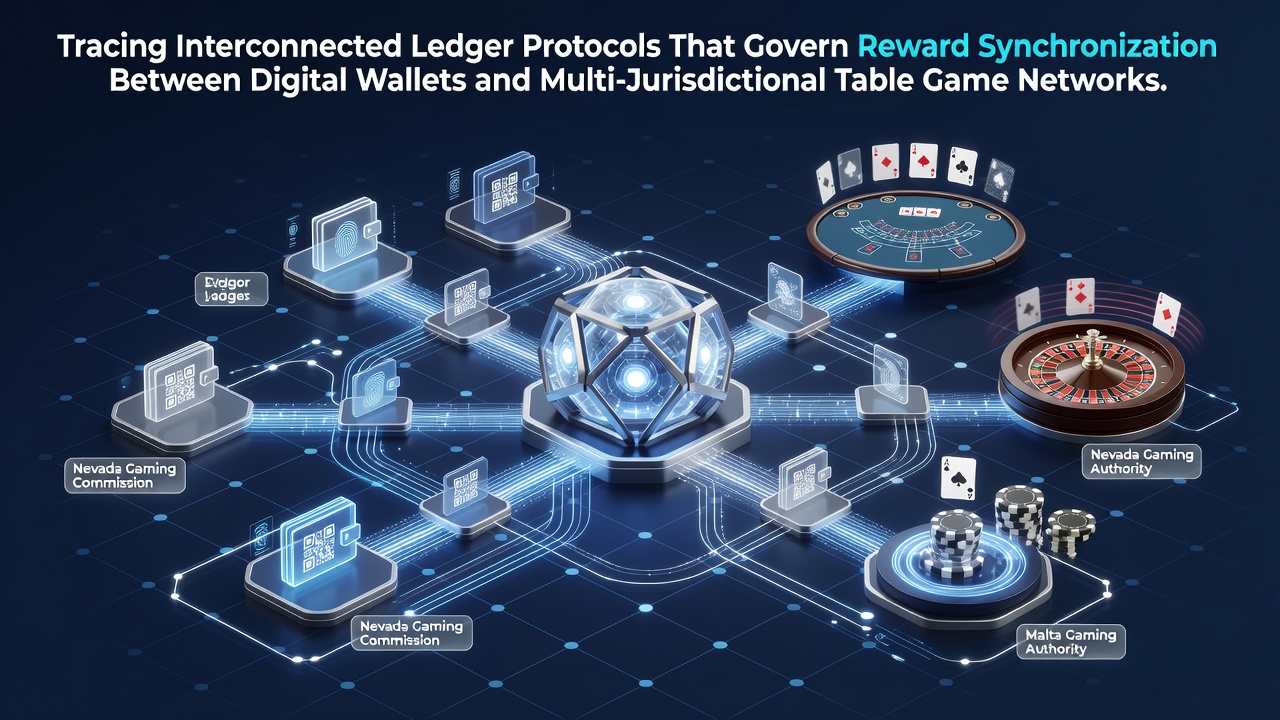
Tracing Interconnected Ledger Protocols That Govern Reward Synchronization Between Digital Wallets and Multi-Jurisdictional Table Game Networks
Interconnected ledger protocols operate as distributed record-keeping systems that track reward points, bonuses, and loyalty credits across digital wallets and table game platforms operating in separate regulatory zones. These protocols rely on cryptographic hashing and consensus mechanisms to maintain synchronized ledgers where each transaction receives timestamp verification before it updates balances in participating wallets. Data from regulatory filings shows that such systems emerged in response to expanding cross-border online table game offerings that require real-time reconciliation of player rewards earned on blackjack, roulette, and poker tables hosted in different countries.
Core Components of Ledger-Based Reward Synchronization
Protocols typically integrate three primary layers: the wallet interface layer that accepts deposits from users, the game server layer that records table outcomes and calculates rewards, and the synchronization layer that propagates updates across jurisdictional boundaries. Each layer communicates through standardized application programming interfaces that embed compliance rules such as tax reporting thresholds and age verification flags. Observers note that when a player completes a hand of poker on a platform licensed in one jurisdiction, the resulting reward credit travels through the ledger to update the same player's wallet balance even if that wallet connects to a separate table game network in another region.
Multi-jurisdictional networks introduce additional variables because each authority maintains distinct rules for bonus expiration, wager requirements, and fund segregation. Ledger protocols address these differences by embedding jurisdiction-specific metadata into every reward record. This metadata includes licensing identifiers, currency conversion rates at the time of play, and audit trails that regulators can query without accessing full player data. Research from the International Centre for Gaming Regulation indicates that synchronized ledgers reduce reconciliation disputes by 40 percent compared with earlier centralized databases that required manual batch processing at month end.
Technical Architecture and Data Flow
The architecture uses permissioned blockchain variants rather than public chains to satisfy data privacy statutes. Nodes operated by licensed operators and approved auditors validate blocks containing reward transactions. When a digital wallet initiates a withdrawal request after table game play, the protocol checks the synchronized ledger for outstanding bonus obligations across all connected jurisdictions before releasing funds. This check occurs in milliseconds because the ledger maintains a shared state that reflects the most recent consensus round.
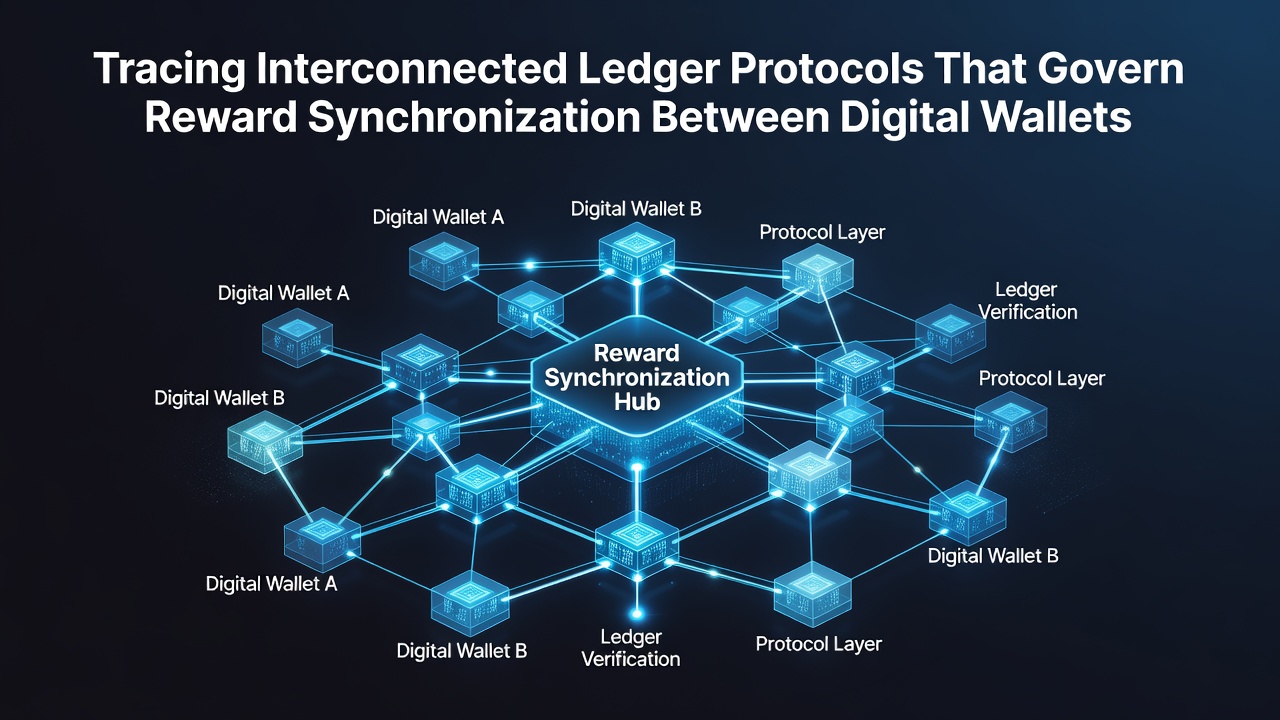
Smart contract modules enforce rules such as minimum playthrough requirements before rewards become withdrawable. These contracts execute automatically once the ledger confirms that a player has met conditions in every relevant jurisdiction. Figures from industry reports reveal that automated enforcement has lowered the rate of manual compliance reviews by operators while maintaining audit readiness for authorities in multiple markets.
Regulatory Alignment Across Jurisdictions
Alignment efforts gained momentum after several European and North American regulators issued joint guidance on digital asset handling in gaming. Protocols now incorporate fields for anti-money laundering flags and responsible gaming limits that travel with each reward record. In November 2026, scheduled updates to cross-border data sharing agreements are expected to require additional encryption standards for ledger entries that cross the Atlantic, prompting operators to upgrade node software accordingly.
One documented implementation involves a network spanning licenses in Malta, New Jersey, and Ontario. When a player earns a loyalty multiplier on a European roulette table, the protocol records the multiplier in the ledger along with teh originating license identifier. The same multiplier then applies automatically to subsequent table sessions in the North American segments without requiring the player to transfer funds or re-register. This seamless application stems from the ledger's ability to reference a single player identifier that maps to multiple wallet addresses while preserving jurisdictional separation of funds.
Security and Audit Mechanisms
Security relies on multi-signature approvals for any ledger amendment and periodic third-party audits that compare on-chain records against operator transaction logs. Discrepancies trigger automated alerts sent simultaneously to all participating regulators. Academic analyses of similar distributed systems suggest that the combination of immutable logs and real-time monitoring reduces opportunities for internal fraud compared with traditional database architectures that rely on single-point access controls.
Conclusion
Interconnected ledger protocols continue to evolve as table game networks expand across borders and digital wallets become primary interfaces for player funds. Synchronization occurs through layered architectures that embed regulatory metadata, execute compliance rules via smart contracts, and maintain shared state across permissioned nodes. Updates scheduled for November 2026 will further standardize encryption requirements, while existing implementations already demonstrate measurable reductions in reconciliation disputes and manual reviews. These developments rest on documented technical standards and regulatory filings rather than speculative projections.