Player Habit Tracking Through App Analytics and Its Connection to Customized Live Dealer Experiences in Borderless Digital Platforms
Written by Ben Müller · Sep 13, 2026
Player Habit Tracking Through App Analytics and Its Connection to Customized Live Dealer Experiences in Borderless Digital Platforms
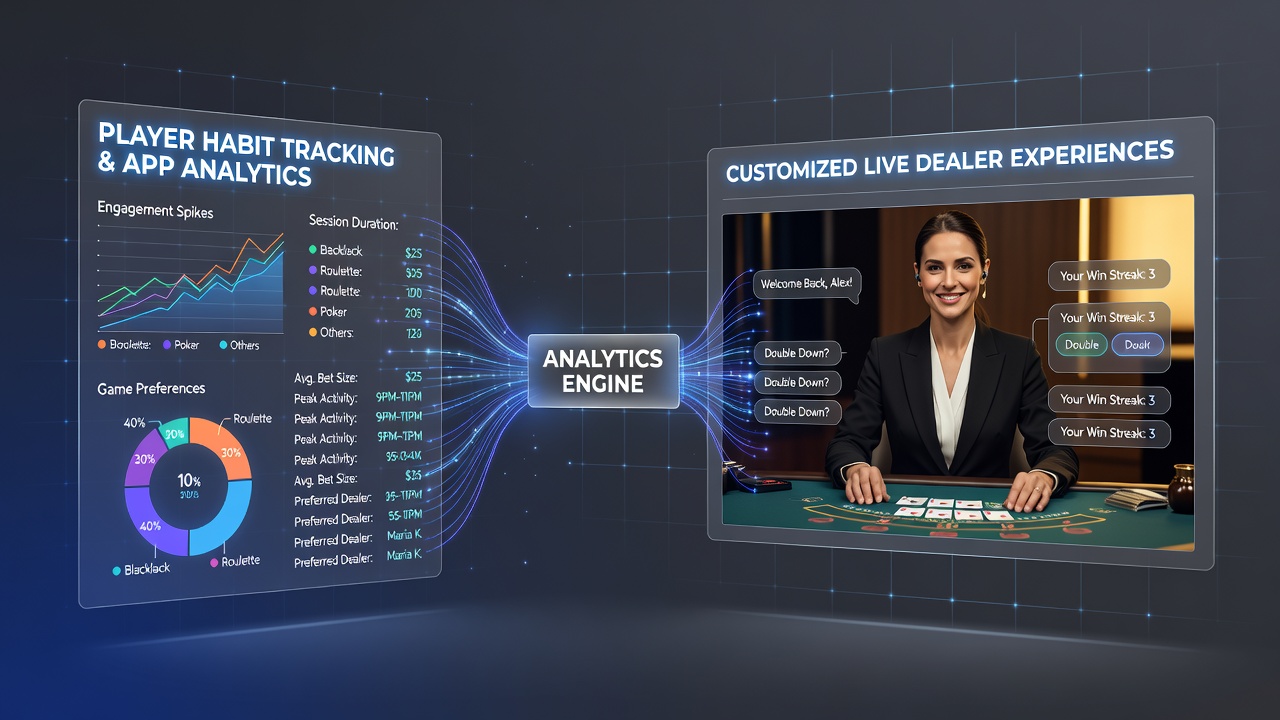
App analytics have become central to how digital gaming platforms monitor user behavior across mobile and desktop interfaces, and these systems now feed directly into live dealer customization on borderless networks that operate in multiple regulatory zones. Data collection begins the moment a player opens an app, with metrics on session duration, bet sizing patterns, game selection frequency, and interaction timing captured through embedded software development kits. Platforms aggregate this information to build profiles that influence everything from table availability to dealer scripting in live streams.
Data Collection Mechanisms in Mobile Gaming Apps
Developers integrate tracking tools that log specific actions without interrupting gameplay, and these tools record variables such as average wager amounts per round, preferred game variants, and time spent observing versus participating. According to reports from the European Gaming and Betting Association, many operators process millions of data points daily to refine service delivery across jurisdictions. The systems distinguish between short bursts of activity and extended sessions, then categorize players into segments based on those observed rhythms. This segmentation allows platforms to adjust live dealer offerings in real time, matching table speeds or interaction styles to documented preferences.
Borderless platforms face additional layers of complexity because data handling must align with varying regional standards, yet the underlying analytics engines remain consistent. Researchers at institutions studying cross-border digital entertainment note that synchronization occurs through centralized servers that apply jurisdiction-specific filters after initial collection. One case involved a platform adjusting dealer response times for users whose data showed preference for faster-paced rounds, and the adjustment occurred seamlessly across European and North American access points.
Linking Analytics to Live Dealer Customization
Live dealer experiences gain precision when analytics inform parameters like camera angles, chat moderation levels, and even the selection of game variants offered at a given table. Platforms use machine learning models trained on historical habit data to predict which features will sustain engagement for particular user groups. For instance, players whose logs indicate frequent side-bet usage receive prompts for tables that emphasize those options, while others see interfaces streamlined toward core gameplay. The connection operates through application programming interfaces that push profile updates to live streaming software, enabling dealers to receive aggregated insights without accessing individual identities.
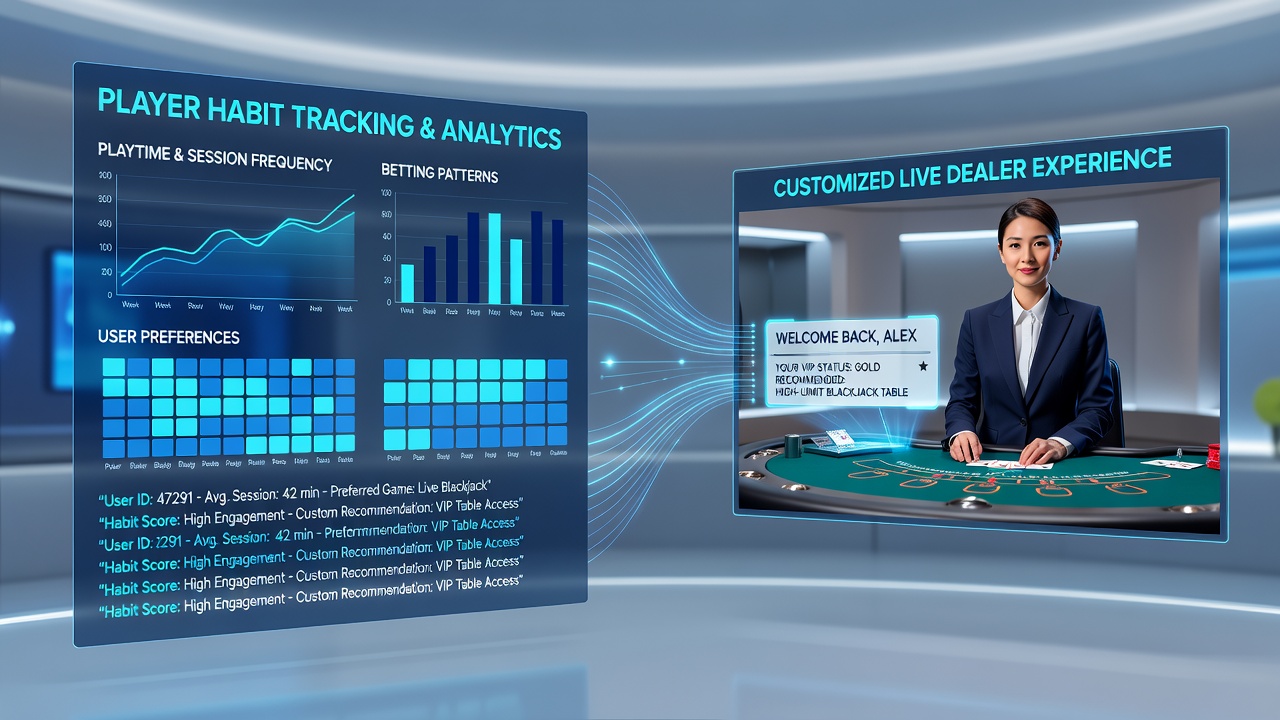
Those who have examined these systems observe that customization extends beyond surface-level tweaks. Habit tracking can determine whether a player receives options for private tables or shared environments, and it influences the timing of promotional live events. Data from Australian research groups tracking iGaming trends shows measurable shifts in session length when live features align with previously recorded patterns. The process relies on continuous feedback loops where post-session analysis updates the models used for future personalization.
Technical Infrastructure Supporting Borderless Operations
Borderless digital platforms maintain distributed server networks that route traffic through compliant pathways while preserving unified analytics cores. Cloud-based storage handles the volume of behavioral data, and encryption protocols protect transmission between app instances and central processing hubs. Integration with live dealer studios occurs via low-latency connections that support dynamic table reconfiguration. Observers note that latency under 100 milliseconds remains a benchmark for maintaining immersion when analytics trigger mid-session adjustments.
Security certifications and compliance frameworks from bodies such as those in Canadian provinces guide how data flows across borders, ensuring that habit profiles do not conflict with local access rules. The infrastructure also incorporates redundancy so that a regional outage does not halt personalization for users in unaffected zones. This setup allows platforms to scale live dealer capacity based on predictive analytics derived from aggregate habit trends rather than individual requests.
Implementation Examples Across Platforms
One network rolled out a system where analytics detected clusters of players favoring certain roulette variants and subsequently increased dealer staffing for those tables during peak hours identified through historical logs. Another deployment used session data to route users toward dealers whose documented pacing matched user tendencies, resulting in documented changes in retention metrics across multiple markets. These examples illustrate how the connection between tracking and customization operates at scale without requiring manual intervention for each participant.
Conclusion
Player habit tracking through app analytics continues to shape customized live dealer experiences on borderless digital platforms by supplying the data foundations for real-time adjustments. The mechanisms rely on established collection practices, machine learning applications, and compliant infrastructure that respects regional differences while delivering consistent personalization. As these systems evolve, the linkage between recorded behaviors and live interaction features remains a defining element of platform operations across jurisdictions.