Behavioral Pattern Mapping: How Player Habit Data Refines Real-Time Table Interactions on Handheld Platforms in Multi-Region Regulated Zones
Written by Ben Müller · Oct 25, 2026
Behavioral Pattern Mapping: How Player Habit Data Refines Real-Time Table Interactions on Handheld Platforms in Multi-Region Regulated Zones
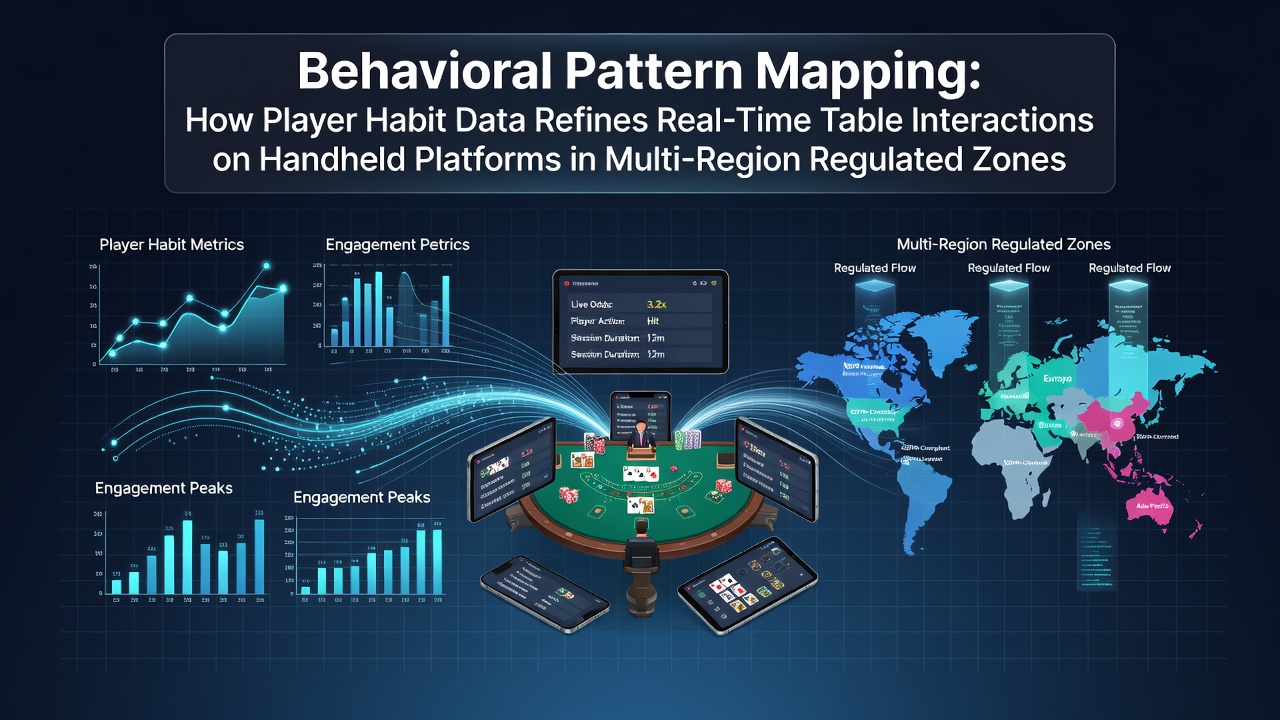
Behavioral pattern mapping uses aggregated player habit data to adjust live dealer table experiences on mobile devices across multiple regulated jurisdictions, and operators apply these insights to timing, bet sizing, and interaction pacing without violating local rules. Systems track sequences such as how often users increase stakes after specific card outcomes or how long they pause before folding in digital poker variants, then feed that information into algorithms that modify dealer scripts and table speed in real time.
Data Sources and Collection Methods
Handheld platforms record session metrics including tap frequency, screen orientation changes, and response latency to prompts from live dealers, while compliance teams segment this information by jurisdiction to meet differing data retention and anonymization standards. In markets such as Nevada and New Jersey, operators must store behavioral logs for set periods under state gaming board oversight, whereas Australian states require explicit player consent flags before any habit data influences game flow.
Researchers have documented that these datasets grow rapidly when players engage multiple table types in one session, allowing pattern recognition engines to identify clusters like rapid consecutive raises followed by quick exits. Those clusters then trigger adjustments such as slower card reveals or altered chat tone from dealers to match observed user tempo.
Real-Time Adjustments in Live Table Environments
Once patterns emerge, platforms alter interaction layers on the device screen, for instance extending the decision timer when data shows users in a certain region tend to deliberate longer after losses. Dealers receive prompts through their own interfaces to vary speech cadence or offer specific side bets that align with historical acceptance rates for similar player profiles. This process operates continuously during sessions, and updates occur within milliseconds of each new action.

Regulatory Variations Across Regions
Multi-region operators maintain separate rule sets for each license, so a player moving between an EU member state and a Canadian provincial site encounters different limits on how deeply habit data can shape dealer behavior. European authorities such as the Malta Gaming Authority require transparency reports on algorithmic influence, while Canadian regulators emphasize audit trails that demonstrate no unfair advantage is created through personalized pacing. These requirements force developers to build modular code that activates or deactivates specific mapping features depending on detected location.
Data from the American Gaming Association shows that U.S. state-licensed mobile tables processed millions of live interactions monthly by late 2025, with behavioral adjustments contributing to measurable changes in average session duration. Similar figures from Australian state regulators indicate parallel growth in handheld live table usage, prompting further refinement of cross-border data protocols ahead of October 2026 compliance reviews.
Technology Infrastructure Supporting the Mapping
Edge computing nodes located near regional data centers reduce latency when applying pattern-derived changes to ongoing tables, and machine learning models trained on anonymized historical sessions predict likely next actions with increasing accuracy. Operators integrate these models with existing RNG and live-streaming systems so that visual and audio elements remain synchronized even when interaction speeds shift mid-hand. Security protocols encrypt both raw habit logs and the derived adjustment signals to satisfy encryption standards in every active jurisdiction.
One study released through the University of Nevada, Reno examined how latency thresholds affect pattern reliability and found that sub-second delays in data transmission can reduce adjustment precision by measurable percentages. Developers responded by adding redundant transmission paths that maintain consistency across borders.
Implementation Examples in Regulated Markets
Platforms operating in both New Jersey and Michigan have deployed region-specific modules that recognize when users exhibit hesitation patterns common in one state versus another, then adjust dealer greeting frequency accordingly. In European corridors where multiple licenses overlap, the same player account may receive different interaction cadences depending on which country's servers handle the session. These differences remain invisible to the user yet keep every adjustment within the bounds set by each regulator.
Conclusion
Behavioral pattern mapping continues to evolve as handheld live table volumes expand and regulators in separate zones refine their oversight of algorithmic personalization. The combination of habit data, real-time processing, and jurisdiction-aware controls produces table experiences that respond to observed sequences while remaining compliant with each market's distinct requirements. As October 2026 approaches, further integration of edge analytics and updated reporting standards will shape how these systems operate across additional regions.